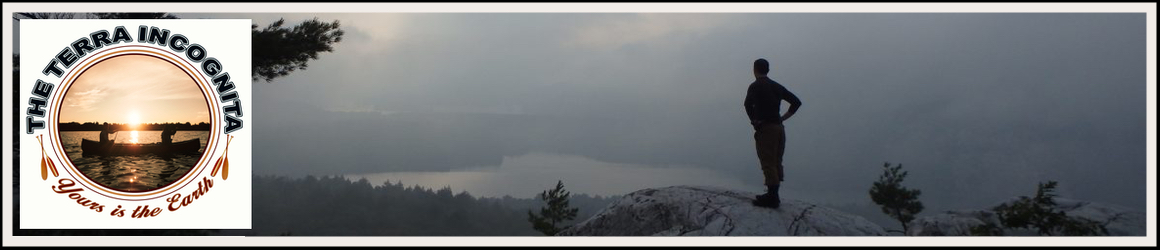
The magnificent, primeval ridges and valleys of Wabakimi were carved and scoured in the twilight of the last ice age, some 12,000 years ago. Black spruce, tamarack and jack pine, thin and stunted from long, harsh northern winters, cling to the shallow veneer of soil that scantly coats this portion of the Shield country. This harsh world still wholly belongs to the woodland caribou, the grey wolf and the bald eagle.
Signs of humanity are sparse; few tread here. But if you endeavour to pass through this land, look carefully under the shadowy canopies of those weathered and stunted tamaracks; under the beard lichen and Labrador tea; amongst the sphagnum moss, wood ferns and wild blueberries bushes; you will find trails of another time. Gaze over the placid waters, down the tumbling rivers, across the serpentine lakes, and envision the water trails of yesteryear. These canoe routes were established over centuries by the North of Superior Ojibwe – ancestors of the Whitesand, Mishkeegogamang, Saugeen, and Eabametoong First Nations. Today those canoe paths remain.

 THE TERRA INCOGNITA